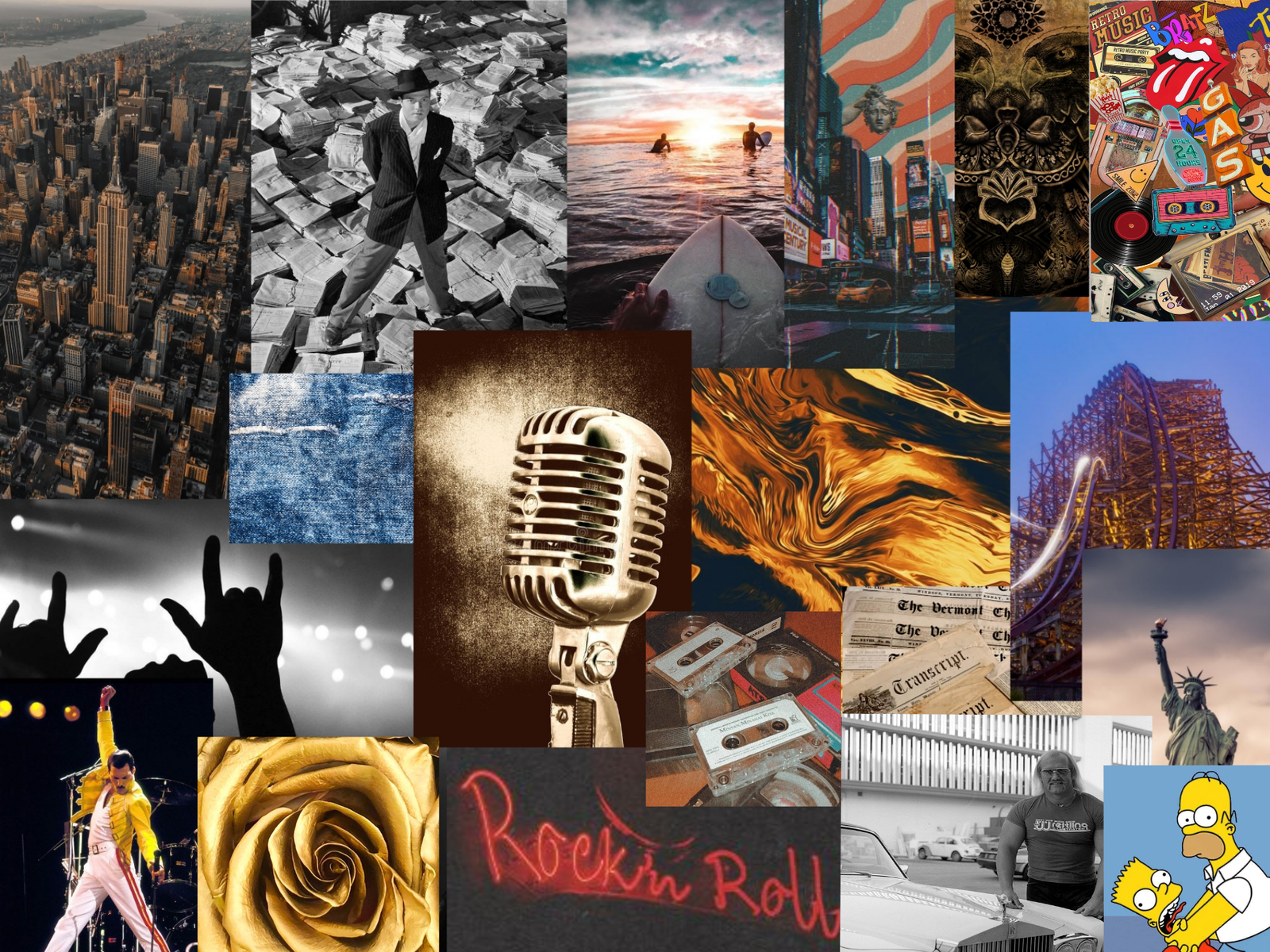
A mood board is a curated collection of images, colours, textures, typography, objects, and sometimes words that visually communicate a feeling, aesthetic direction, or conceptual framework. At first glance, a mood board may appear to be simply a collage. In practice, however, it is far more than that. It is a strategic creative tool used across disciplines — from graphic design and fashion to film production, interior design, branding, product development, marketing, architecture, photography, and even software interface design.
Mood boards translate abstract ideas into tangible form. When someone says, “I want it to feel modern but warm,” or “It should be dramatic but elegant,” those adjectives are open to interpretation. A mood board narrows ambiguity. It provides visual anchors that align creative teams, clients, and collaborators around a shared understanding.
The Purpose of a Mood Board
At its core, a mood board serves five main purposes:
1. Clarifying Vision
Before production begins, creators need clarity. A mood board helps distil scattered inspiration into a cohesive direction. It forces decision-making: Which colours truly represent the concept? Which textures evoke the desired emotional tone? Which imagery supports the narrative?
2. Communicating Emotion
Words like “minimalist,” “luxurious,” or “edgy” can mean different things to different people. Visual references reduce misinterpretation. A board showing matte black surfaces, sharp typography, and stark lighting communicates something very different from one filled with soft pastels, rounded shapes, and diffused sunlight.
3. Aligning Stakeholders
In commercial projects, alignment is crucial. A client, designer, developer, and marketing team may all imagine a project differently. A mood board becomes a shared reference point. It answers the question: “Is this the direction we’re committing to?”
4. Inspiring Creativity
Paradoxically, constraints fuel creativity. By defining a visual language early on, a mood board provides boundaries within which innovation can flourish.
5. Preventing Scope Drift
During long projects, ideas can drift. A mood board acts as a compass. If a new idea emerges, it can be measured against the established mood: Does it fit? Or does it dilute the aesthetic?
Types of Mood Boards
Mood boards come in different forms depending on medium and intent.
Physical Mood Boards
Traditionally, designers created boards using physical materials: magazine clippings, fabric swatches, paint samples, photographs, sketches, and found objects pinned to foam boards or walls. Physical boards have tactile richness. They’re especially useful in fashion and interior design where texture and materiality matter.
Digital Mood Boards
Today, most mood boards are digital. Designers use tools like Canva, Adobe Creative Cloud, Milanote, Figma, Pinterest, or even PowerPoint. Digital boards allow for easy sharing, collaboration, and iteration. They are efficient and scalable, particularly for remote teams.
Conceptual vs. Production Boards
Some boards are conceptual — exploring broad emotional themes. Others are highly specific — focusing on practical production elements such as lighting styles, typography systems, UI components, or colour palettes.
The Psychology Behind Mood Boards
Mood boards are powerful because humans process images faster than text. Visual cues trigger emotional responses instantly. Colour psychology, composition, lighting, and material all influence perception.
For example:
- Deep blues and charcoal greys evoke seriousness and stability.
- Warm gold tones suggest luxury and prestige.
- Soft beige and natural textures convey calm and organic authenticity.
- High contrast and sharp angles communicate boldness and innovation.
A mood board works because it bypasses abstract explanation and goes straight to emotional intuition.
Elements of a Strong Mood Board
A compelling mood board is not random. It is intentional. Key components often include:
1. Colour Palette
Colour is often the foundation. A well-structured board may highlight 3–7 dominant colours. These colours create emotional coherence.
2. Typography
Font choices communicate personality. Serif fonts can feel traditional or editorial. Sans-serif fonts can feel modern or clean. Script fonts may feel romantic or artistic.
3. Imagery
Photography style matters. Is it bright and airy? Dark and cinematic? Documentary-style? Highly stylised? Imagery defines narrative tone.
4. Textures and Materials
Textures add depth. Smooth glass, brushed metal, raw concrete, linen fabric — each suggests a different sensory world.
5. Shapes and Layout
Rounded shapes feel soft and approachable. Angular geometry feels precise and technological. Symmetrical layouts suggest stability; asymmetry suggests dynamism.
6. Keywords
Although visual-heavy, strong boards often include minimal keywords to anchor interpretation — words like “refined,” “industrial,” “nostalgic,” or “playful.”
Mood Boards in Different Industries
Branding and Marketing
In branding, mood boards shape identity before logos are designed. They help define tone of voice, photography direction, brand personality, and social media aesthetics.
Interior Design
Interior designers use mood boards to communicate atmosphere: lighting schemes, furniture style, materials, and spatial flow. Clients can see how wood tones interact with fabrics and metals before anything is purchased.
Fashion
Designers curate boards around seasonal inspiration. They may explore historical references, cultural motifs, colour trends, and silhouette directions.
Film and Photography
Directors and cinematographers use boards to establish visual storytelling language — lighting temperature, costume style, camera framing, colour grading mood.
UI/UX and Product Design
Even digital interfaces begin with mood boards. Before wireframes, designers explore emotional tone: Is the product playful? Professional? Futuristic? Calm?
How to Create an Effective Mood Board
Creating a mood board is both analytical and intuitive.
Step 1: Define the Objective
Ask: What is this board for? A brand launch? A website redesign? A photoshoot? A personal project?
Step 2: Gather Broad Inspiration
Collect freely at first. Avoid over-filtering. Pull imagery from architecture, photography, art, nature, film stills, textures, typography.
Step 3: Identify Patterns
Look for repetition. Are certain colours dominating? Do textures cluster around a theme? Is there a recurring mood?
Step 4: Refine and Edit
Less is more. Remove elements that do not strongly align. Cohesion is key.
Step 5: Structure the Layout
Arrange thoughtfully. Group colours together. Balance negative space. Ensure the board feels intentional, not cluttered.
Step 6: Test the Narrative
Step back and ask: If someone saw this with no explanation, what would they feel?
Common Mistakes in Mood Board Creation
- Overcrowding – Too many elements create confusion.
- Lack of Cohesion – Random inspiration without thematic alignment.
- Ignoring Practical Constraints – A board that looks beautiful but ignores budget or technical feasibility.
- Copying Trends Blindly – Trends can date quickly. Strong boards interpret trends rather than imitate them.
- No Clear Objective – Without purpose, a board becomes decoration rather than direction.
Mood Boards and Strategic Thinking
Mood boards are not merely artistic tools; they are strategic instruments. They represent an early form of decision-making. When you commit to a specific aesthetic direction, you implicitly reject countless alternatives. That clarity saves time, money, and energy later in the process.
They also support brand consistency. A business that repeatedly returns to its established visual mood builds recognition. Think of major brands: their colours, photography styles, and typography are consistent because early conceptual work defined boundaries.
Digital Age Evolution
With platforms like Pinterest and Instagram, inspiration is abundant. However, abundance can dilute originality. The modern challenge is not finding images but curating meaningfully.
AI tools now generate mood board concepts instantly. While powerful, these tools still require human judgement. Curation, narrative cohesion, and emotional nuance remain deeply human skills.
Mood Boards Beyond Design
Mood boards are increasingly used in:
- Personal development planning (visualising life goals)
- Event planning (weddings, conferences)
- Home renovations
- Social media content strategy
- Creative writing and storytelling
They help visual thinkers externalise abstract ambitions.
Why Mood Boards Matter More Than Ever
In a fast-paced digital world, clarity is currency. Projects move quickly. Teams collaborate globally. Misalignment costs time and money. Mood boards compress complexity into a visual summary.
They bridge imagination and execution.
They translate feeling into form.
They create coherence from chaos.
And perhaps most importantly, they remind us that creativity is not random inspiration — it is structured intention.
Conclusion
A mood board is both a creative playground and a strategic blueprint. It is where aesthetics meet psychology, where emotion meets structure, and where vision becomes visible.
Whether you are designing a brand, planning a film, building an app, renovating a room, or simply exploring your creative direction, a mood board offers clarity and confidence. It captures the atmosphere before the architecture, the tone before the execution, the emotion before the mechanics.
In many ways, a mood board is the architecture of ideas — the quiet stage where creativity takes shape before stepping into reality.
If you’d like, I can also write a practical guide specifically for creating mood boards for web design, branding, or even personal goal planning.