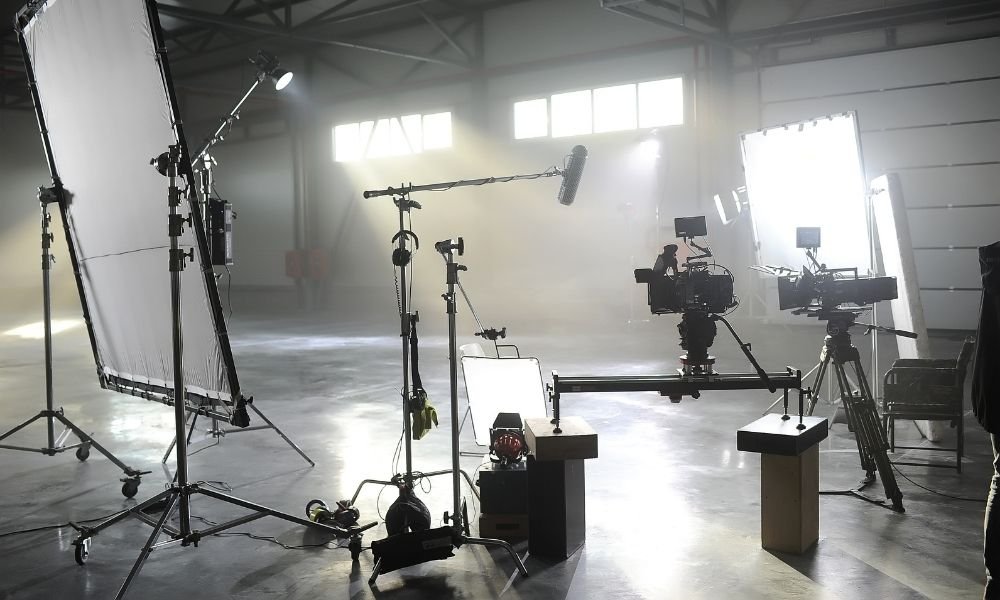
Lighting is one of the most critical elements in cinematography, serving not only to illuminate a scene but also to convey emotion, suggest narrative subtext, and define spatial relationships within the frame. It is the cinematographer’s primary tool for controlling the audience’s perception, guiding attention, and creating atmosphere. Unlike other technical aspects of filmmaking, lighting operates at both a practical and symbolic level—it affects what the viewer sees while also shaping how they feel. A well-lit scene can transform a mundane environment into a compelling visual experience, while poor lighting can obscure details, confuse spatial relationships, and undermine narrative intent.
Cinematography theory emphasizes that lighting is not merely a mechanical necessity; it is an expressive language. Every choice—intensity, angle, color, and quality—carries meaning. For instance, bright, even lighting often signals clarity, optimism, or safety, while shadows and stark contrasts can communicate danger, tension, or moral ambiguity. Lighting interacts closely with composition, color grading, and camera movement, contributing to the overall visual storytelling strategy. Understanding its theoretical and practical aspects is essential for both aspiring and professional filmmakers.
Three-Point Lighting
One of the foundational techniques in cinematic lighting is three-point lighting, a system that has been used in film, television, and photography for decades. This approach involves three distinct lights: the key light, the fill light, and the backlight.
- Key Light: The key light serves as the primary source of illumination, defining the subject’s form and creating shadows that provide depth. Its intensity and angle establish the overall mood of the scene. For example, a harsh key light creates dramatic shadows and tension, while a softer key light produces a more gentle, flattering effect.
- Fill Light: The fill light reduces the contrast created by the key light, ensuring that shadows are not overly dark and that important visual information is visible. By controlling shadow depth, the fill light balances realism with aesthetic considerations.
- Backlight: Also called a rim light or hair light, the backlight separates the subject from the background, enhancing the perception of depth and dimensionality. It can create a subtle halo effect around characters, drawing focus to them and giving them a sense of presence within the scene.
The beauty of three-point lighting lies in its flexibility. By adjusting the intensity, angle, and distance of each light, cinematographers can produce vastly different moods. For example, in a romantic dialogue scene, soft key and fill lights combined with a gentle backlight may produce a warm, intimate feeling. In contrast, in a suspenseful or horror sequence, a single strong key light with minimal fill can cast deep shadows, heightening tension.
High-Key vs. Low-Key Lighting
High-key lighting and low-key lighting represent two contrasting approaches to cinematic illumination, each with distinct psychological and narrative effects.
- High-Key Lighting: This style is characterized by bright, even illumination with minimal shadows. It is commonly used in comedies, musicals, or scenes designed to feel lighthearted and clear. High-key lighting creates a sense of openness and safety, suggesting a controlled environment where nothing is hidden. It also allows for vibrant color representation and clarity of visual details.
- Low-Key Lighting: Low-key lighting emphasizes strong contrasts between light and shadow, often using a single dominant light source with minimal fill. This technique is typical in film noir, horror, and suspense genres, where shadows contribute to a sense of mystery, danger, or moral ambiguity. Low-key lighting manipulates perception, allowing cinematographers to hide details deliberately or draw attention to specific areas of the frame. The interplay of light and darkness becomes a narrative tool in itself, reinforcing character psychology, thematic tension, or foreshadowing.
The choice between high-key and low-key lighting depends not only on genre but also on the emotional resonance a scene must achieve. Many contemporary films combine both approaches within a single sequence to create contrast, emphasizing moments of safety versus threat or clarity versus confusion.
Lighting Direction and Angle
The direction and angle of light are crucial for shaping the perception of characters, objects, and environments. Light can come from above, below, the side, behind, or directly in front, and each orientation produces different psychological and visual effects:
- Top Lighting: Light from above, simulating natural sunlight or overhead fixtures, tends to produce a realistic and familiar feel. It can also cast shadows on the face, emphasizing bone structure or creating dramatic tension depending on intensity.
- Side Lighting (Chiaroscuro): Side lighting emphasizes texture, depth, and form. It creates strong shadows on one side of the subject, producing a three-dimensional look. In film noir and dramatic sequences, side lighting highlights moral ambiguity or inner conflict.
- Underlighting: Light from below creates a sense of menace or horror. It is often used to make characters appear unnatural or threatening. Classic horror films frequently use underlighting to evoke fear.
- Backlighting: Backlighting produces silhouettes and can isolate a subject from the background. It conveys mystery, grandeur, or separation and is frequently used in establishing shots or emotionally charged sequences.
Cinematographers often manipulate angles deliberately to reinforce narrative or emotional cues. For example, a character lit from multiple directions may appear complex or conflicted, while a character lit only from one side may seem morally ambiguous or vulnerable.
Color and Quality of Light
Color temperature and the quality of light are vital components in creating mood and narrative meaning. Color temperature, measured in Kelvin, ranges from warm tones (yellow-orange) to cool tones (blue-white). Warm light evokes comfort, intimacy, and nostalgia, while cool light can suggest detachment, isolation, or tension.
The quality of light—hard versus soft—also significantly affects perception. Hard light produces defined shadows and sharp contrasts, often creating dramatic or aggressive atmospheres. Soft light, diffused through diffusion materials or reflected off surfaces, wraps gently around subjects, producing flattering, subtle illumination. Cinematographers combine color and quality to convey emotion visually. For instance, in romantic scenes, soft, warm lighting may envelop characters, while in thriller sequences, hard, cold light may emphasize danger and uncertainty.
Practical Application on Set
Lighting is both an art and a technical discipline, requiring cinematographers to consider practical constraints such as location, time of day, and equipment availability. Modern digital cameras allow precise control of exposure, ISO, and shutter speed, but the principles of lighting remain fundamental. Filmmakers often use a combination of natural light, artificial light, and practical sources within the scene (such as lamps or neon signs) to achieve the desired effect.
Lighting also interacts closely with composition and camera movement. Shadows can guide the viewer’s eye toward the subject, light can emphasize leading lines, and the interplay of brightness and darkness can support symmetrical or asymmetrical framing. Cinematographers must plan lighting setups to ensure continuity across shots, maintain visual coherence, and reinforce the narrative flow.
Symbolism and Narrative Function
Lighting is inherently symbolic. It can reflect a character’s emotional state, suggest narrative developments, or reinforce thematic elements. For example, a character emerging from darkness into light may symbolize redemption or revelation, while descending into shadows may indicate moral compromise or danger. Directors and cinematographers such as Stanley Kubrick, Roger Deakins, and Vittorio Storaro have demonstrated how lighting choices are integral to storytelling, not merely decorative. Every shadow, highlight, and color shift contributes to the narrative meaning and emotional resonance of a scene.
Lighting can also create visual motifs, recurring patterns of illumination that reinforce thematic ideas. For instance, light filtering through blinds in noir films suggests entrapment or moral ambiguity. In historical dramas, warm, candlelit interiors evoke authenticity and nostalgia. In science fiction, cold, artificial lighting can suggest technological dominance or alienation. By consciously integrating lighting motifs into cinematography, filmmakers build a visual vocabulary that communicates subtext alongside dialogue and action.
Conclusion
Lighting in cinematography is far more than a technical necessity—it is a sophisticated, expressive tool for storytelling. From foundational techniques like three-point lighting to high-key and low-key approaches, from manipulation of direction, angle, and color to symbolic and narrative applications, lighting shapes how audiences perceive and experience a film. It interacts with composition, lens choice, camera movement, and color grading to create a cohesive visual language.
A skilled cinematographer understands that light is not neutral; it carries meaning. Shadows can conceal or threaten, highlights can celebrate or isolate, and color can guide emotional interpretation. Whether creating intimacy in a romantic scene, tension in a thriller, or grandeur in an epic, lighting defines the visual identity of a film. Mastery of lighting allows cinematographers to transform mere images into immersive, emotionally resonant stories, making it one of the most essential aspects of cinematic art.