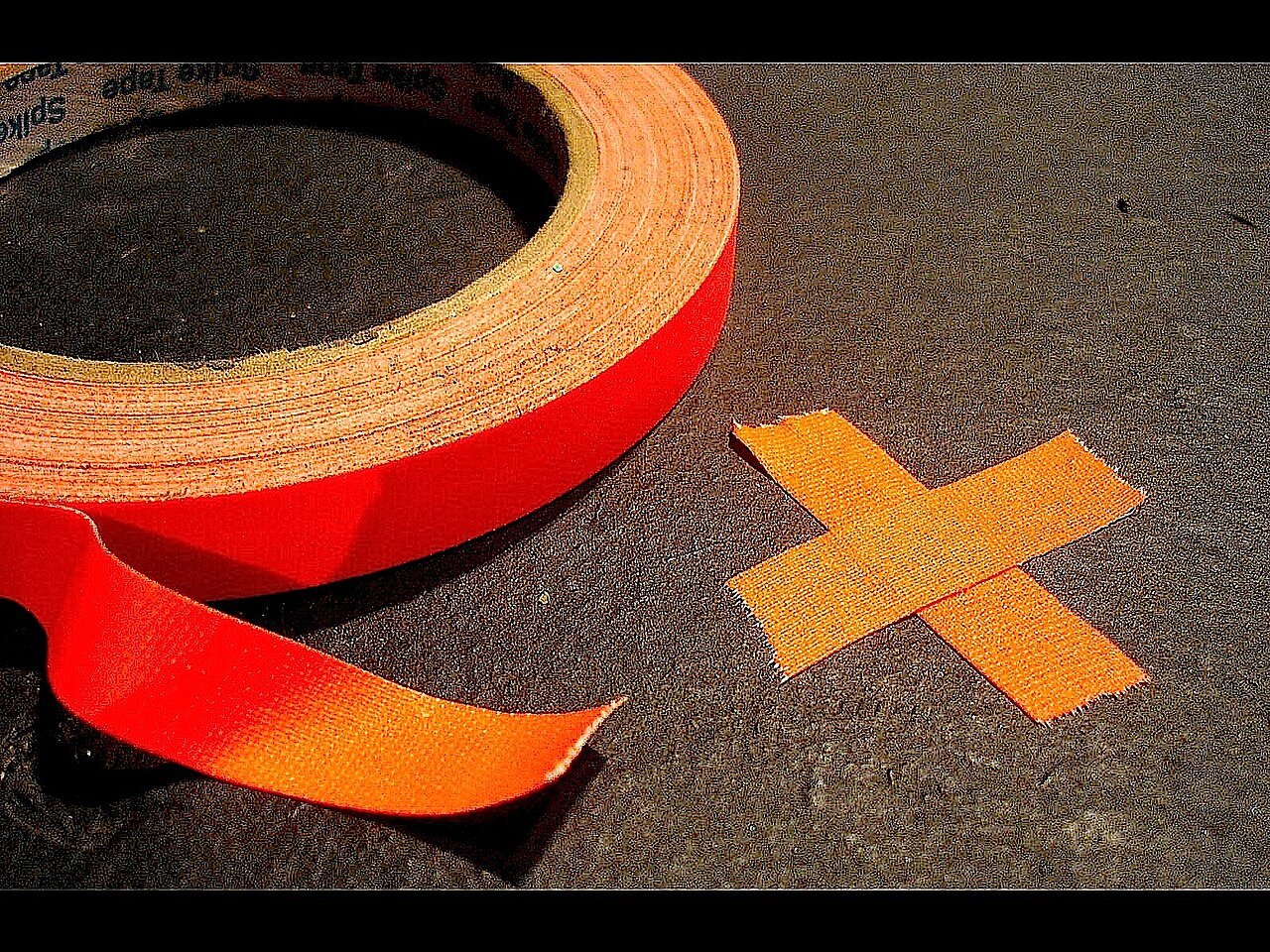
Spiking is a fundamental practice in live music, theatre, and event production that ensures consistency, efficiency, and professionalism on stage. At its core, spiking involves marking the precise positions of instruments, equipment, scenery, and sometimes performers using tape on the stage floor. These marks—known as spike marks—serve as visual guides so that everything can be placed in exactly the same position for rehearsals, soundchecks, and performances. While it may appear to be a small technical detail, spiking plays a crucial role in delivering smooth productions, particularly in environments where timing, sound quality, and lighting accuracy are essential.
The term “spiking” originates from theatre practice, where stage managers would use small markers to indicate where set pieces or actors should stand. In modern productions, the practice typically involves using gaffer tape rather than literal spikes. Gaffer tape is preferred because it adheres well to stage surfaces, removes cleanly, and comes in various bright colours that are easy to see under stage lighting. Fluorescent colours such as pink, orange, or green are common, especially on dark stages.
In live music settings, spiking is most frequently associated with instrument placement. A drum kit, for example, contains multiple stands and pedals that must be positioned precisely for comfort and performance consistency. By outlining the feet of each stand with tape—often using L-shaped corners—crew members can quickly reposition the kit after it has been moved. This is particularly important during festivals or multi-band events, where changeovers between acts are tightly scheduled. Instead of adjusting the drum kit from scratch, technicians simply align each component with its spike marks, saving valuable minutes.
Beyond drums, spiking is also critical for keyboard setups. Keyboard stands, sustain pedals, expression pedals, and monitor wedges all benefit from consistent placement. Musicians rely heavily on muscle memory, and even small positional changes can affect performance confidence and comfort. A sustain pedal placed a few centimetres off its usual position may disrupt a player’s flow. By spiking the stand and pedal positions, performers can step onto a stage knowing their setup will feel familiar.
Amplifiers and speaker cabinets are also commonly spiked. In live sound engineering, microphone placement relative to a guitar amplifier can significantly influence tone. If an amplifier shifts position between soundcheck and showtime, the mic alignment may change, affecting the sound heard by the audience. Spiking ensures that the amplifier returns to the same location relative to microphones and stage monitors. This consistency reduces unexpected sound variations and supports the work of the front-of-house engineer.
Lighting is another area where spiking plays an essential role. Stage lighting is carefully programmed to focus on specific areas of the stage. If a performer stands outside their intended spot, they may fall into shadow or step into a beam meant for someone else. In theatre, actors often have spike marks indicating exact standing positions during key scenes. In concerts, lead vocalists or soloists may have subtle spike marks indicating where they should stand during spotlight moments. These marks help maintain visual cohesion and ensure lighting cues execute as designed.
Spiking also supports stage safety. Stages can become crowded environments filled with cables, stands, and moving performers. By clearly marking positions, crew members reduce the risk of trip hazards caused by misplaced equipment. Cable runs are often taped down and marked to keep pathways clear. In high-pressure environments such as televised performances or major tours, these safety considerations are vital. A misaligned monitor wedge or stray cable can pose serious risks to performers and crew alike.
In touring productions, spiking becomes even more critical. Touring crews must recreate the same stage layout in different venues night after night. Each venue may have slight variations in size or configuration, but the core stage layout remains consistent. Detailed stage plots and ground plans guide the crew, and spike marks bring those plans into physical reality. Some touring productions carry detailed documentation that includes measurements from stage edges, riser placements, and exact equipment spacing. When load-in begins, the crew measures and spikes the stage before equipment is even brought out, ensuring accuracy from the start.
There are different techniques used in spiking. The most common method involves creating small L-shaped tape corners around each foot of a stand or piece of equipment. This allows for precise alignment while keeping the mark subtle. Another technique involves placing a single strip of tape under the front edge of an object. In theatre, spike marks may be labelled with initials or codes to indicate which performer or prop they correspond to. Colour coding is also common; for example, each band member might have a different tape colour to distinguish their equipment positions quickly.
Professional stage managers and production crews often maintain strict spiking standards. Marks should be neat, consistent, and minimal to avoid cluttering the stage. Excessive tape can look unprofessional and may become confusing under stage lights. Additionally, the choice of tape matters. Standard duct tape is rarely used because it can leave residue and damage stage flooring. Gaffer tape, specifically designed for stage and production environments, is the industry standard.
Spiking extends beyond music and theatre into other live event contexts. Corporate events, conferences, and broadcast productions use spiking to position lecterns, cameras, furniture, and presenters. In television studios, camera operators rely on precise floor markings to frame shots correctly. In dance performances, spike marks ensure choreography aligns with lighting grids and stage geometry. Even film productions use similar marking techniques to maintain continuity between takes.
Despite its technical nature, spiking also reflects a broader principle of professionalism and preparation. A well-spiked stage demonstrates that a production team values precision and efficiency. It shows foresight in anticipating challenges and reducing variables that could disrupt a performance. While audiences rarely notice spike marks directly, they benefit from the smooth transitions, consistent sound, and polished visual presentation that spiking enables.
However, spiking is not without its challenges. Some venues restrict the use of tape on delicate flooring. Outdoor stages may present difficulties due to moisture or uneven surfaces. In such cases, alternative marking methods—such as chalk, removable floor markers, or weighted guides—may be used. Crews must adapt their techniques while maintaining the underlying goal of positional accuracy.
Technology has also influenced spiking practices. Laser measuring tools and digital stage design software allow crews to plan layouts with remarkable precision. Yet even with advanced planning tools, the physical act of marking the stage remains essential. There is no substitute for a clear, visible reference point during a fast-paced changeover or technical rehearsal.
For musicians and technicians alike, spiking ultimately supports confidence. Knowing that equipment will be positioned exactly as expected allows performers to focus entirely on their music rather than logistics. Engineers can trust that microphone placement remains consistent. Lighting designers can rely on performers hitting their marks. The result is a cohesive production where technical precision supports artistic expression.
In conclusion, spiking is far more than a simple taping practice. It is a cornerstone of live production discipline, blending technical accuracy with practical efficiency. Whether marking a drum kit’s position, aligning a keyboard stand, guiding an actor to their spotlight, or ensuring safe cable routing, spiking contributes to the seamless execution of performances. Though often unnoticed by audiences, it is one of the many behind-the-scenes practices that transform rehearsed material into a polished live experience.