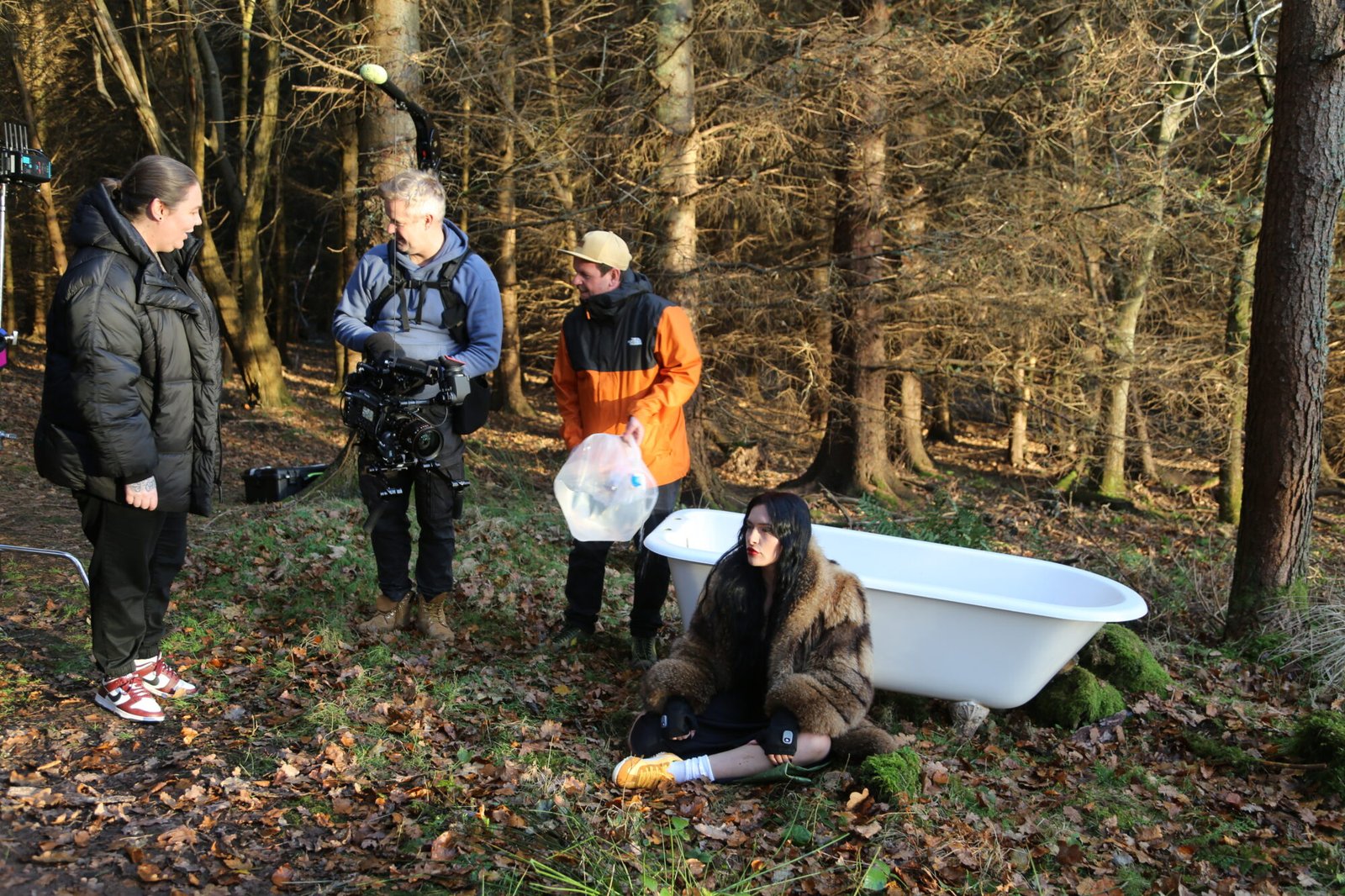
Producing a music video may appear glamorous and exciting from the outside, but behind the polished visuals and cinematic storytelling lies a complex process filled with logistical, creative, technical, and interpersonal challenges. A successful music video requires coordination between artists, directors, cinematographers, editors, producers, stylists, location managers, and often dozens of additional crew members. When everything comes together, the final product can feel effortless. However, getting there is rarely simple.
Translating Music into Visual Concept
One of the biggest challenges in music video production is translating a song into a compelling visual concept. A track may be emotionally powerful or rhythmically engaging, but turning sound into imagery requires interpretation. The director must decide whether to create a narrative, focus on performance, develop abstract visuals, or blend multiple approaches.
Artists may have strong personal visions, record labels may push for commercial appeal, and creative teams may want to experiment artistically. Balancing these perspectives while staying true to the music can be difficult. Misalignment at this early stage can cause confusion and costly revisions later.
Budget Constraints
Budget limitations are another major obstacle. While large, established artists may have significant funding, many productions operate under tight financial restrictions. Costs quickly accumulate: camera equipment, lighting, crew wages, location permits, costumes, props, catering, transportation, insurance, and post-production editing all require funding.
Decisions must constantly be made about where to allocate resources. Should the production invest in a high-end camera package or a unique location? Is it worth hiring specialized dancers or visual effects artists? Working within a restricted budget often forces creative problem-solving, but it can also limit the scope of what is possible.
Scheduling and Time Management
Coordinating availability between artists, crew, and locations can be extremely challenging. Many artists are balancing touring, recording sessions, interviews, and personal commitments. Weather conditions can disrupt outdoor shoots, and delays in one department can impact the entire schedule.
A single missed permit approval or equipment delivery delay can push filming back by hours or even days. Time pressure increases stress on set, and rushing scenes can compromise quality.
Location Challenges
Securing visually compelling and legally accessible locations is not always straightforward. Filming in public areas often requires permits, insurance, and coordination with local authorities. Unexpected interruptions—crowds gathering, traffic noise, weather changes—can interfere with filming.
Even indoor locations present challenges, such as limited space for equipment, poor lighting conditions, or restrictions imposed by property owners. Location scouting requires foresight and contingency planning to avoid disruptions.
Technical Difficulties
Technical challenges frequently arise during production. Lighting must be carefully designed to enhance mood and highlight performers without appearing artificial. Achieving the correct exposure, especially in dynamic or low-light settings, demands expertise.
Camera movement, whether using handheld rigs, gimbals, dollies, or drones, requires precision. Equipment malfunctions can occur at any time, and troubleshooting on set consumes valuable time. Synchronizing lip movements to the pre-recorded track must be precise; even slight mismatches become noticeable in editing.
Working with Performers
Some musicians are naturally comfortable in front of the camera, while others may struggle with performance anxiety or limited acting experience. Directors must guide artists to deliver authentic emotion while maintaining technical accuracy, such as hitting marks and staying within lighting setups.
If dancers or actors are involved, choreography must be rehearsed extensively. Coordinating group movements requires repetition, and fatigue can impact performance quality over long shooting days.
Creative Differences
Music videos are collaborative projects, and differing opinions are inevitable. An artist may dislike a costume choice, a label executive may question a scene’s marketability, or a director may resist last-minute changes.
Navigating these conflicts diplomatically while protecting the integrity of the project requires strong communication skills. Without clear leadership, tensions can escalate, affecting morale and productivity.
Weather and Environmental Factors
Outdoor shoots depend heavily on favorable weather. Sudden rain, wind, or temperature changes can alter the visual aesthetic or damage equipment. Extreme heat or cold affects both crew performance and artist comfort.
Even controlled studio environments can present issues such as overheating from lighting rigs or insufficient ventilation.
Post-Production Challenges
Editing a music video is not simply about cutting footage together; it requires precise synchronization with the song’s rhythm and emotional arc. Editors must choose from hours of footage to craft a cohesive narrative or visual flow.
Color grading shapes the mood and consistency of the video, and achieving the desired aesthetic can be time-consuming. Visual effects, if included, demand specialized expertise and extended timelines. Revisions from artists or labels may require significant re-editing, further extending deadlines.
Marketing and Release Pressure
A music video often plays a key role in promoting a song, so there may be strict release schedules tied to album launches or tour announcements. Missing deadlines can affect promotional campaigns and streaming strategies.
The final product must not only be artistically satisfying but also aligned with branding, audience expectations, and platform requirements for social media and streaming services.
Safety and Legal Considerations
Stunts, special effects, or complex set designs require careful risk assessment. Ensuring the safety of performers and crew is paramount. Failure to follow safety protocols can result in injury and legal consequences.
Additionally, copyright considerations must be addressed when using locations, artwork, or other intellectual property within the video.
Managing Energy and Morale
Music video shoots frequently extend beyond standard working hours. Fatigue can reduce attention to detail, increasing the risk of mistakes. Managing crew morale, providing adequate breaks, and maintaining clear communication are essential for sustaining productivity.
Wearing Multiple Hats in Independent Productions
In independent or low-budget productions, individuals often take on multiple roles. A director may also handle editing, or a producer may manage logistics and creative direction simultaneously. While this can foster creative ownership, it also increases workload and stress.
Limited manpower means fewer backups if something goes wrong.
Adapting to Evolving Technology
Technological advancements offer new creative possibilities but also introduce complexity. High-resolution cameras generate large amounts of data, requiring efficient storage and backup systems. Drone footage demands licensed operators and adherence to aviation regulations.
Advanced visual effects require compatibility between filming techniques and post-production software. Keeping pace with evolving technology can be costly and technically demanding.
Audience Reception and Uncertainty
Even after overcoming logistical, technical, and creative hurdles, there is no guarantee that a music video will resonate with viewers. Trends shift rapidly, and what feels innovative during production may appear outdated by release.
Balancing originality with broad appeal requires insight and experience.
Conclusion
Despite these numerous challenges, music video production remains a dynamic and rewarding field. The collaborative process fosters creativity, innovation, and problem-solving. Each obstacle overcome strengthens the final product.
When a music video successfully captures the spirit of a song and connects with its audience, the effort invested behind the scenes becomes worthwhile. The finished video may only last a few minutes, but it represents weeks or months of planning, coordination, and resilience.