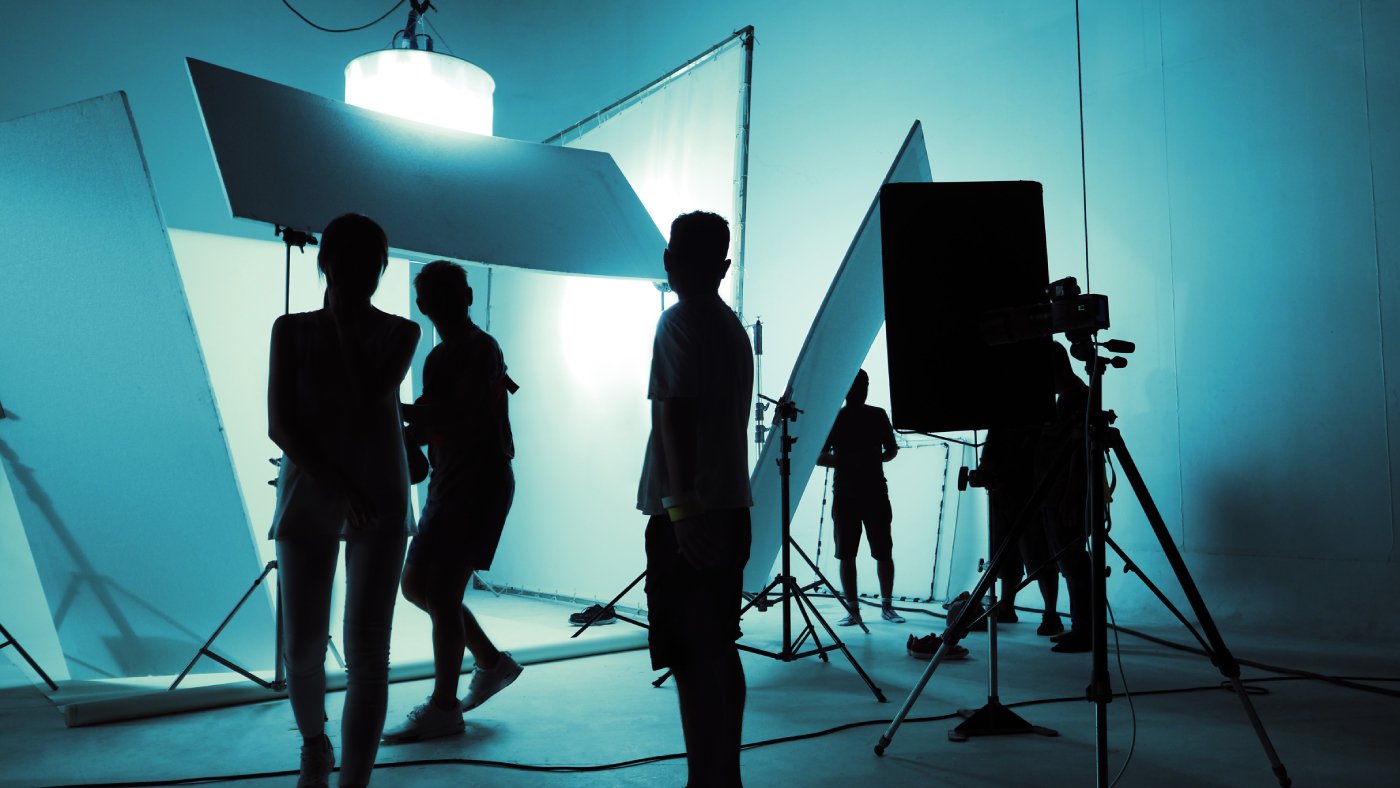
A music video production is a complex, collaborative process that blends artistic vision, technical expertise, and logistical coordination. Unlike feature films, music videos often operate under tighter budgets and schedules, yet they demand a high level of creativity and visual impact. From concept development to final edit, a wide range of professionals contribute to transforming a song into a compelling visual experience. Below is a comprehensive exploration of the key production roles involved in a music video production and how they work together.
1. The Artist
At the center of any music video is the musical artist or band. Whether it’s a solo performer like Taylor Swift or a group such as Coldplay, the artist’s identity, image, and brand heavily influence the creative direction of the video.
The artist may:
- Contribute to the concept and storytelling ideas
- Approve creative decisions such as wardrobe and location
- Participate in rehearsals and performance sequences
- Provide input during post-production
In many cases, particularly with established artists, their management team also plays a crucial role in shaping the video’s message to align with marketing strategies and audience expectations.
2. Executive Producer
The Executive Producer oversees the project from a financial and strategic standpoint. This role is often associated with the record label or the artist’s management. The Executive Producer is responsible for:
- Securing funding
- Approving budgets
- Hiring key personnel (often the Director and Production Company)
- Ensuring the project aligns with commercial goals
They are not typically involved in day-to-day filming decisions but ensure that the production remains financially viable and on schedule.
3. Producer
The Producer is the operational backbone of the music video. They manage logistics, scheduling, contracts, and budgeting. If the Director is focused on creativity, the Producer ensures the creative vision is achievable within practical constraints.
Key responsibilities include:
- Breaking down the script or treatment
- Organizing shooting schedules
- Booking locations
- Hiring crew members
- Managing production paperwork and insurance
- Overseeing daily production operations
In smaller productions, one Producer may take on multiple responsibilities, while larger productions might have Line Producers and Associate Producers.
4. Director
The Director is responsible for translating the song into a visual narrative. They create the overall artistic vision and guide the team to execute it. Famous directors such as Spike Jonze and Hype Williams have shaped the visual language of music videos through innovative techniques and storytelling.
The Director’s responsibilities include:
- Developing the concept and treatment
- Collaborating with the artist and label
- Planning visual style and tone
- Directing performances and actors
- Working closely with the cinematographer
A Director must balance creativity with time and budget constraints while inspiring the cast and crew.
5. Director of Photography (Cinematographer)
The Director of Photography (DoP or DP) is responsible for the visual execution of the Director’s vision. They control how the video looks in terms of lighting, framing, camera movement, and composition.
The DoP works closely with:
- Camera operators
- Lighting technicians (Gaffers and Best Boys)
- Grip team
They select cameras, lenses, and lighting setups to achieve specific visual moods. For example, a moody, dramatic ballad may use soft lighting and shallow depth of field, whereas a high-energy dance track may feature dynamic camera movements and vibrant lighting.
6. Production Designer
The Production Designer creates the visual world of the music video. This includes set design, props, décor, and overall aesthetic coherence.
Responsibilities:
- Designing sets and environments
- Selecting props
- Working with art department crew
- Ensuring visual consistency
In stylized videos, the Production Designer plays a major role in building memorable visuals, whether that means constructing elaborate sets or transforming ordinary locations into cinematic spaces.
7. Art Director
Working under the Production Designer, the Art Director manages the execution of design elements. They coordinate the art department and ensure that set construction, decoration, and props align with the overall vision.
8. Choreographer
For performance-heavy videos, especially in pop and hip-hop genres, a Choreographer designs and rehearses dance routines. Artists like Beyoncé are known for complex choreography that requires intensive planning and rehearsal.
The Choreographer:
- Develops dance sequences
- Rehearses with dancers and artists
- Works with the Director to integrate movement with camera work
Strong choreography enhances visual rhythm and complements the music’s tempo.
9. Casting Director
If the video includes actors or background performers, the Casting Director selects individuals who fit the creative brief. They organize auditions and recommend talent to the Director and Producer.
10. Camera Crew
The camera crew supports the DoP and ensures smooth capture of footage.
Key roles include:
- Camera Operator
- 1st Assistant Camera (Focus Puller)
- 2nd Assistant Camera
- Steadicam Operator
Each role ensures technical precision in focus, framing, and movement.
11. Gaffer and Lighting Team
The Gaffer is the head of the lighting department. They execute the lighting plan created by the DoP. Their team ensures:
- Proper exposure
- Safe installation of lighting equipment
- Creative lighting effects
Lighting dramatically impacts mood, from bright commercial gloss to dark, cinematic atmospheres.
12. Grip Department
The Grip team manages rigging and camera support equipment, including dollies, cranes, and stabilizers. They work closely with the lighting team to shape and control light.
13. Costume Designer and Stylist
The Costume Designer selects clothing that reflects the artist’s brand and the video’s theme. In some cases, wardrobe becomes iconic, contributing to cultural impact.
Responsibilities:
- Designing or sourcing outfits
- Coordinating fittings
- Maintaining continuity
Styling can communicate character, era, genre, and mood instantly.
14. Hair and Makeup Artists
Hair and Makeup Artists prepare performers for camera. They consider:
- Lighting conditions
- Costume design
- Continuity between takes
- Special effects makeup if required
Their work ensures performers look polished and camera-ready.
15. Editor
After filming, the Editor assembles footage into a cohesive sequence. Music video editing often requires precise synchronization with beats and lyrical cues.
The Editor:
- Selects best takes
- Aligns cuts with rhythm
- Adds visual transitions
- Collaborates with the Director
Editing defines pacing and can significantly elevate the emotional impact.
16. Visual Effects (VFX) Artist
If the video includes digital enhancements, a VFX Artist adds computer-generated imagery, compositing, or motion graphics. In visually ambitious productions, this role becomes central to the final aesthetic.
17. Colorist
The Colorist enhances the video’s visual tone in post-production. They adjust color balance, contrast, and mood, ensuring visual consistency across shots.
Color grading can:
- Warm up a romantic scene
- Create a cold, dystopian look
- Enhance vibrancy for pop visuals
18. Sound and Post-Production Team
Although music videos primarily feature pre-recorded tracks, sound professionals may manage playback on set and ensure lip-sync accuracy. Post-production coordinators handle file management, delivery formats, and final quality control.
Collaboration and Workflow
Music video production is inherently collaborative. The process typically follows these stages:
- Pre-Production – Concept development, budgeting, casting, location scouting, storyboarding.
- Production – Filming, directing performances, capturing footage.
- Post-Production – Editing, color grading, VFX, final delivery.
Each role overlaps and interacts with others. Clear communication and teamwork are essential to maintain artistic cohesion and meet deadlines.
Conclusion
A music video production is far more than a simple visual accompaniment to a song. It is a coordinated effort involving creative visionaries, technical experts, logistical planners, and performers. From the Director shaping the concept to the Editor refining the final cut, every role contributes to transforming audio into a powerful visual narrative.
The success of a music video depends not only on artistic talent but also on structured collaboration. When each production role fulfills its responsibilities effectively, the result can be a visually striking piece that enhances the song’s impact, strengthens the artist’s brand, and resonates with audiences worldwide.