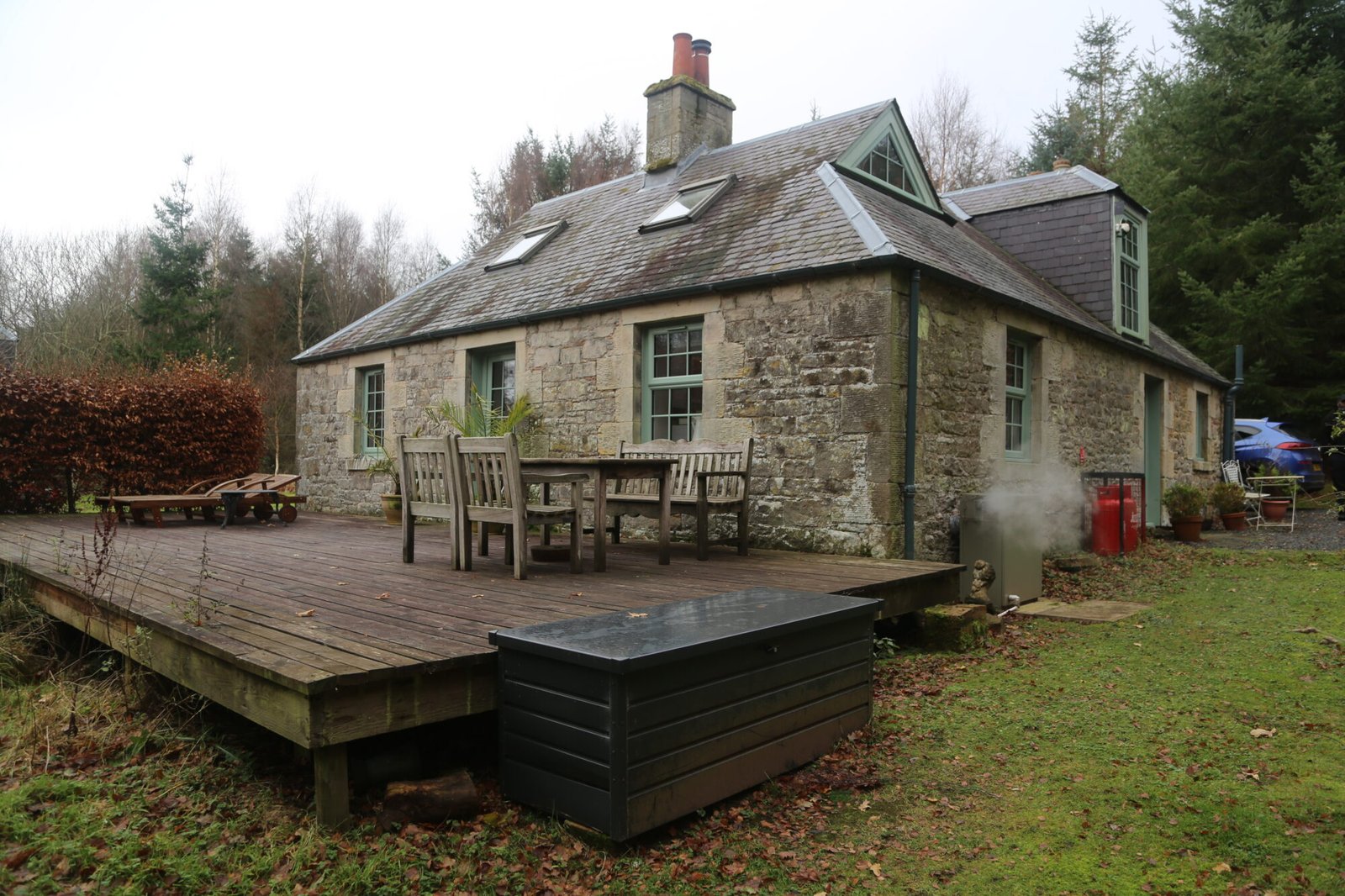
Location scouting is one of the most critical and creatively influential stages of any film production. Before a single frame is shot, before actors step into costume, and often even before the final script draft is locked, the world of the film must be found. The right location does far more than provide a backdrop; it shapes mood, reinforces theme, supports performance, influences camera language, and determines logistical feasibility. A well-chosen location can elevate a modest production into something cinematic and immersive, while a poorly chosen one can undermine even the strongest script.
At its core, location scouting is the process of finding and securing real-world environments in which scenes will be filmed. These can range from private homes and urban streets to forests, abandoned factories, coastal cliffs, or historic buildings. In some productions, studios and constructed sets dominate. In others, real locations are the visual and emotional foundation of the story. Films such as The Revenant demonstrate how natural landscapes can become characters in their own right, while television productions like Game of Thrones relied heavily on carefully chosen international locations to bring a fictional world to life.
The Narrative Function of Location
The first responsibility of a location scout is to understand the script. Every location must serve the story. A cramped flat can intensify tension in a domestic drama. A vast desert can amplify themes of isolation. A brightly lit corporate office can underscore power dynamics in a thriller. The physical environment informs blocking, lighting choices, sound design, and even performance energy.
Directors and cinematographers often begin by defining the visual tone of the project. Is it naturalistic? Stylised? Gritty? Polished? For example, a film influenced by the visual style of Blade Runner 2049 might seek industrial textures, dramatic architecture, and strong light contrast. Conversely, an intimate coming-of-age story might prioritise warm, lived-in domestic spaces and natural daylight.
Location scouting is therefore not simply about matching a description (“INT. WAREHOUSE – NIGHT”) but about interpreting subtext. What kind of warehouse? Abandoned and decaying? Operational and busy? Urban or rural? Each variation shifts the emotional register of the scene.
The Scouting Process
The process typically unfolds in stages:
- Script Breakdown
The assistant director and location manager identify every scene that requires a location. They categorise interior versus exterior, day versus night, and note any special requirements (stunts, water, animals, crowd scenes, vehicles). - Research and Preliminary Search
Scouts use online databases, personal networks, local knowledge, and film commission resources. Many regions have film offices that maintain image libraries of potential sites and offer guidance on permits. - Tech Scouts (Technical Scouts)
Once promising locations are identified, department heads—director, cinematographer, production designer, sound mixer, gaffer—visit together. This stage assesses technical feasibility: power availability, natural light direction, sound pollution (traffic, aircraft), access for trucks, space for crew, and safety. - Photography and Documentation
Location scouts provide detailed still images, often with lens references, to help the director and cinematographer visualise framing options. Increasingly, digital tools allow 360-degree scans and previsualisation overlays. - Permissions and Contracts
Securing a location involves negotiation. Contracts outline usage terms, compensation, insurance, restoration obligations, and access hours. Public spaces require permits from local authorities.
Creative Considerations
A great location supports composition and movement. Cinematographers assess how the sun tracks across an exterior location throughout the day. North-facing windows may provide soft, consistent light; south-facing windows might create harsh, shifting shadows. Urban exteriors must account for reflective glass, signage, and modern intrusions that may conflict with period settings.
Production designers evaluate how much modification is needed. Some locations are nearly perfect as-is; others require dressing, repainting, or temporary architectural adjustments. The cost of transforming a location must be weighed against building a set.
Sound is another major factor. A beautiful courtyard beneath a flight path can become unusable. Dialogue scenes require controlled environments. Sound mixers listen carefully for persistent noise sources: HVAC systems, nearby construction, distant highways.
Logistical Realities
Beyond aesthetics, location scouting is deeply logistical. Crew parking, catering space, restrooms, holding areas for actors, and equipment storage all need consideration. A visually stunning cliffside might be impossible to access safely with heavy camera rigs.
Weather is another variable. Coastal locations are vulnerable to wind and tide changes. Mountain locations introduce altitude and safety risks. Seasonal shifts alter foliage and daylight hours. A forest scouted in summer may look drastically different in winter.
Insurance and risk assessments are essential. Productions must ensure compliance with local regulations and environmental protections. Sensitive heritage sites often have strict limitations to prevent damage.
Budgetary Impact
Location decisions directly affect budget. Shooting in major cities such as New York City or London may offer iconic visuals but often involves higher permit costs and logistical complexity. Smaller towns may be more accommodating and cost-effective.
Tax incentives also shape decisions. Many regions offer film tax credits to attract production. For example, countries like Ireland and Canada have built thriving film industries partly through competitive incentives. These economic factors sometimes influence scripts to adapt settings for financial practicality.
Period and World-Building
When creating historical or fantasy settings, location scouts must find environments that minimise modern intrusions. Cobblestone streets, preserved architecture, and rural landscapes can reduce digital clean-up costs. Productions like Pride and Prejudice relied on stately homes and countryside estates to authentically evoke early 19th-century England.
In genre films, real locations often anchor fantastical elements in realism. Urban superhero stories frequently integrate real cities to ground spectacle in familiarity. Even when extensive CGI is planned, physical environments provide texture and reference lighting that enhances digital effects.
Collaboration with Departments
Location scouting is inherently collaborative. The production designer may request specific architectural features. The director of photography may need sufficient depth for tracking shots. The stunt coordinator assesses safety clearances. The assistant director plans scheduling efficiency—grouping scenes geographically to minimise company moves.
The location manager serves as the bridge between creative ambition and practical reality. They negotiate with property owners, manage community relations, coordinate with local authorities, and ensure restoration after filming. Good community relations can determine whether a production is welcomed or resisted.
Ethical and Environmental Responsibility
Modern productions increasingly prioritise sustainability. Large crews can disrupt ecosystems and neighbourhoods. Responsible scouting includes evaluating environmental impact, waste management, and local disruption. Sensitive natural areas require minimal intrusion and strict compliance with conservation laws.
Additionally, respecting local communities is essential. Transparent communication about road closures, noise, and shooting schedules builds goodwill. Some productions invest in local hiring or community engagement initiatives.
Technology and the Future of Scouting
Digital tools have transformed the scouting process. Drones provide aerial perspectives. Virtual scouting platforms allow remote collaboration. Augmented reality tools enable directors to overlay shot compositions on location imagery. During global disruptions such as the COVID-19 pandemic, remote location scouting became increasingly common.
At the same time, virtual production stages—such as those popularised by LED volume technology—allow filmmakers to blend physical sets with digital backgrounds. Even so, the tactile authenticity of real locations remains invaluable. The texture of real stone, the unpredictability of natural light, and the lived-in quality of real environments often create nuances that are difficult to replicate artificially.
The Emotional Dimension
Beyond logistics and aesthetics, great location scouting captures something intangible. A location can inspire performance. Actors respond differently to authentic environments. A narrow staircase changes movement. A cold shoreline affects body language. The environment becomes part of the storytelling fabric.
Consider how urban Philadelphia shaped the tone of Rocky. The city’s streets and landmarks were not merely backgrounds but narrative partners, reinforcing themes of struggle and aspiration. The steps of the Philadelphia Museum of Art became iconic precisely because they were real, rooted in place.
Conclusion
Location scouting is both art and engineering. It requires visual imagination, narrative sensitivity, negotiation skills, logistical planning, and technical awareness. The best scouts think like filmmakers and producers simultaneously. They see potential frames while calculating access routes. They imagine emotional tone while reviewing insurance requirements.
Ultimately, location scouting is about discovering the physical spaces where fiction becomes tangible. When done well, the audience never questions the world on screen. It feels cohesive, immersive, and alive. Behind that seamless illusion lies meticulous research, creative intuition, and practical coordination—long before the camera ever rolls.