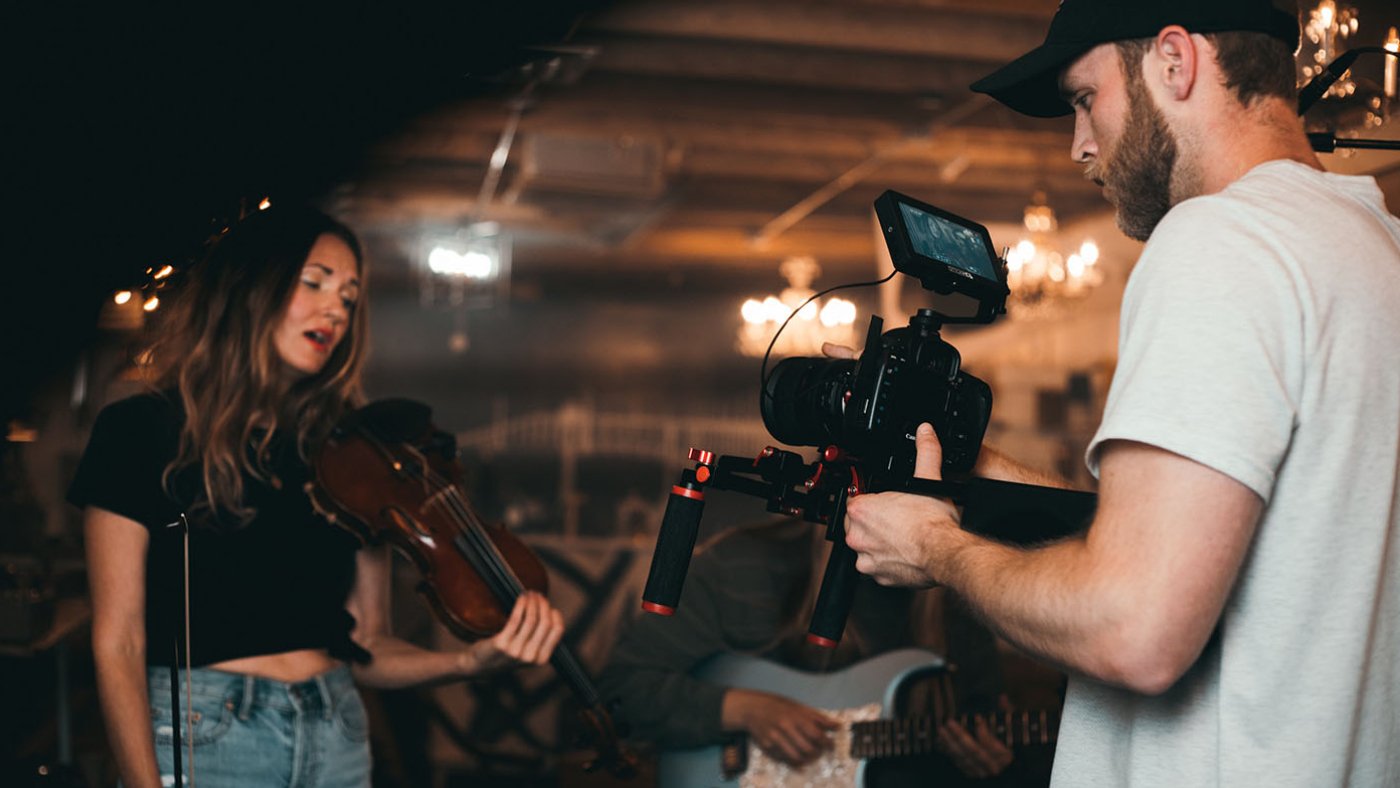
Concept development is the foundation of any successful music video. It transforms a song from a purely auditory experience into a visual narrative that enhances, interprets, or reimagines its meaning. A strong concept ensures coherence between the music, visuals, performance, and emotional tone. Without clear conceptual development, a music video risks becoming a disconnected series of attractive but meaningless shots. In modern media culture—shaped by platforms such as YouTube and MTV—the music video is both a marketing tool and an artistic medium. Therefore, concept development must balance creativity, audience engagement, branding, and practical production considerations.
1. Understanding the Song
The first stage of concept development begins with deep analysis of the song itself. This includes examining:
- Lyrics – What is the narrative? Are there metaphors, recurring symbols, or emotional themes?
- Genre – Is it pop, rock, hip-hop, classical, electronic, or experimental?
- Mood and tone – Is the song melancholic, aggressive, romantic, nostalgic, celebratory?
- Structure – How do verses, choruses, bridges, and instrumental sections evolve?
For example, a slow acoustic ballad may require intimate, minimal visuals, while a high-energy dance track may call for dynamic choreography, bold colours, and rapid editing. Concept development requires aligning the visual language with the musical rhythm and atmosphere.
At this stage, the director or creative team often listens to the track repeatedly, making notes on emotional peaks, tempo shifts, and lyrical cues that could inspire visual transitions.
2. Identifying the Core Idea
Every strong music video is built around a central idea. This could be:
- A literal narrative that mirrors the lyrics.
- A symbolic interpretation that visualizes themes metaphorically.
- A performance-based concept, focusing on the artist singing or playing.
- A hybrid concept, combining narrative and performance.
- An abstract or experimental approach, prioritizing mood over story.
The core idea must be simple enough to communicate clearly but rich enough to sustain visual interest over the duration of the song. A useful test is whether the concept can be summarized in one or two sentences. If it cannot, it may lack clarity.
For example:
- “A time-travel story where the artist revisits key moments from their past.”
- “A surreal dreamscape reflecting emotional isolation.”
- “A one-take performance in an urban rooftop setting.”
This central idea becomes the anchor for all creative decisions that follow.
3. Audience and Artist Identity
Concept development must consider the target audience and the artist’s brand. Music videos contribute to shaping public perception. An emerging indie artist may prioritize authenticity and minimalism, while a global pop artist may emphasize spectacle and choreography.
Brand alignment includes:
- Visual aesthetics (colour palette, wardrobe, setting)
- Personality projection (rebellious, romantic, introspective, energetic)
- Cultural references
- Social messaging
Audience expectations also play a major role. A hip-hop audience may expect street culture elements, while electronic music audiences may respond to futuristic or abstract visuals. However, innovative concept development can also subvert expectations to create surprise and memorability.
4. Research and Inspiration
Once the core idea is identified, the creative team gathers references. This may include:
- Films
- Photography
- Art movements
- Fashion
- Architecture
- Other music videos
For instance, a concept inspired by expressionist cinema might reference visual styles seen in The Cabinet of Dr. Caligari, while a modern, minimalist aesthetic could draw inspiration from directors like Spike Jonze.
Mood boards are often created during this stage. These visual collections help communicate tone, lighting style, costume ideas, and overall atmosphere to collaborators such as cinematographers, production designers, and stylists.
5. Narrative Development
If the chosen concept includes storytelling, narrative structure must be carefully designed. Even short-form music videos benefit from classical storytelling principles:
- Introduction – Establish characters, setting, and mood.
- Development – Introduce conflict or emotional tension.
- Climax – Align with musical high points.
- Resolution – Offer closure or ambiguity.
Unlike feature films, music videos have limited time, so storytelling must be efficient and visually driven. Dialogue is rarely used; meaning is conveyed through performance, symbolism, editing, and cinematography.
Storyboards are created at this stage. These frame-by-frame sketches outline camera angles, shot composition, and transitions. Storyboarding ensures that the visual plan aligns with the rhythm and structure of the song.
6. Visual Style and Cinematic Language
Concept development also defines the visual style. This includes decisions about:
- Colour grading (warm, cold, monochrome, vibrant)
- Camera movement (handheld, steady, drone, static)
- Aspect ratio
- Lighting design
- Editing pace
For example:
- Fast cuts and high contrast lighting may suit energetic electronic tracks.
- Soft focus and natural lighting may enhance romantic ballads.
- Black-and-white imagery may evoke nostalgia or timelessness.
Editing style must complement the beat. Some videos rely heavily on rhythmic cutting synchronized with percussion, while others use long takes to create intimacy or tension.
7. Practical Considerations
A creative concept must also be feasible. Budget, time, location access, and technical resources all influence concept development. A visually ambitious idea involving elaborate sets, visual effects, or international travel may not be realistic for independent artists.
Therefore, concept development is a balance between creativity and production logistics. Constraints can actually inspire innovation. For example:
- A single-location shoot may encourage stronger choreography or character focus.
- Limited lighting may create a naturalistic aesthetic.
- Minimal crew may enable guerrilla-style urban filming.
The production schedule, equipment availability, and post-production capacity must all be considered during the concept stage to avoid costly revisions later.
8. Collaboration and Refinement
Music video production is collaborative. Directors, producers, artists, cinematographers, editors, choreographers, and stylists all contribute to shaping the concept. During development:
- Concepts are pitched and refined.
- Feedback is incorporated.
- Weak elements are removed.
- Strong visual motifs are strengthened.
Pitch documents are often created to communicate the concept clearly. These may include:
- Concept summary
- Mood boards
- Visual references
- Story outline
- Budget estimate
- Shooting schedule
The clearer the pitch, the more effectively the team can align their creative efforts.
9. Innovation and Cultural Impact
Some music videos transcend promotional function and become cultural milestones. Directors and artists who push conceptual boundaries can redefine visual trends.
For instance, artists like Beyoncé have used visual albums to create immersive storytelling experiences, while Radiohead have explored abstract and experimental visuals.
Concept development at this level requires not only technical skill but cultural awareness. Social themes—identity, politics, mental health, technology—can be embedded within visual storytelling. When done effectively, the music video becomes both artistic expression and social commentary.
10. Post-Production Vision
Even during early concept development, post-production must be considered. Will the video rely on:
- CGI or visual effects?
- Heavy colour grading?
- Motion graphics?
- Split screens or layered imagery?
Planning these elements early ensures that footage is captured appropriately. For example, green screen shoots require careful lighting design. Concept development should therefore integrate pre-production and post-production thinking from the start.
Conclusion
Concept development for music video production is a multifaceted creative process that transforms sound into visual storytelling. It begins with deep engagement with the music and evolves through idea generation, research, narrative planning, stylistic decisions, and practical considerations. A strong concept aligns the song’s emotional essence with compelling imagery, resonates with the target audience, and reinforces the artist’s brand identity.
Ultimately, successful music video concept development requires clarity, creativity, collaboration, and strategic thinking. When executed effectively, it produces a work that not only promotes a song but enhances its cultural impact and artistic depth.